Choosing the wrong car is the easiest way to make a good trip uncomfortable. Rent too small and you spend the drive with suitcases on your lap; rent too big and you pay for fuel and size you never needed. This guide compares the main classes you will see when renting in India, using the cars that are actually on the road — the Swift and Tiago, Dzire and City, Creta and Thar, and the Innova Crysta.
Start with three questions
- How many people and how many bags? Count adults, children and large suitcases.
- What roads will you drive? City traffic, expressways, ghats, village tracks or beach roads?
- How far, and how many days? Long distances favour comfort and fuel economy.
Answer those first and the choice usually becomes obvious.
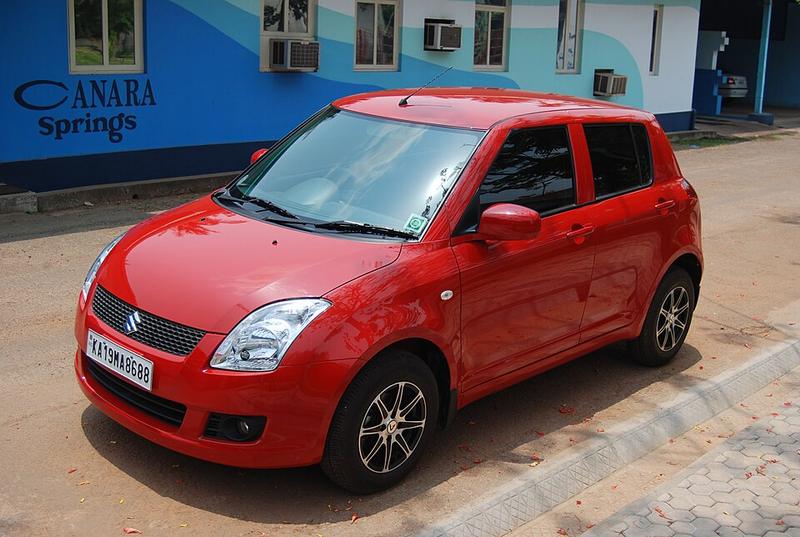
Mini and economy hatchbacks (Kwid, Alto, Swift, Tiago)
Seats: 4–5 people, but comfortable for two or three adults. Luggage: one or two small to medium bags in the boot. Strengths: easy to park, cheap to rent, the best fuel economy, ideal for narrow lanes in Goa, Pune, Mysuru and old city areas. Weaknesses: limited boot space and less relaxed on long highway runs; heavy loads make them feel strained on ghats.
Best for: solo travellers, couples, business trips inside a city, short weekend getaways. Economy hatchbacks start at the lowest daily rates on S.S. Travels — for example around ₹1,800 per day for a Swift-class car in Hyderabad.
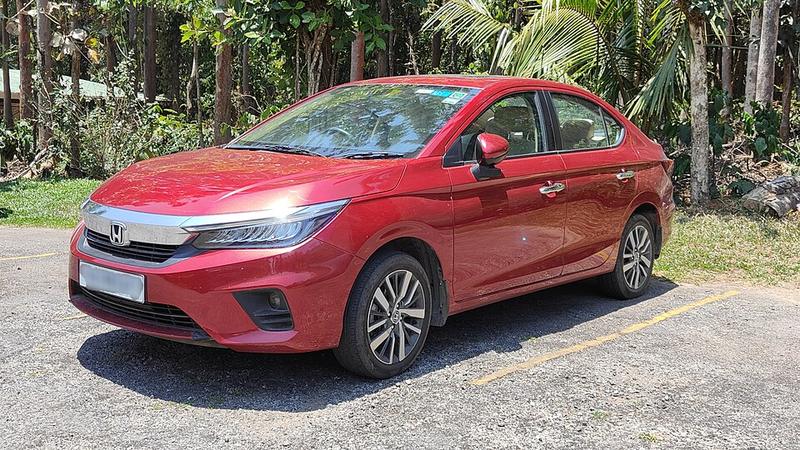
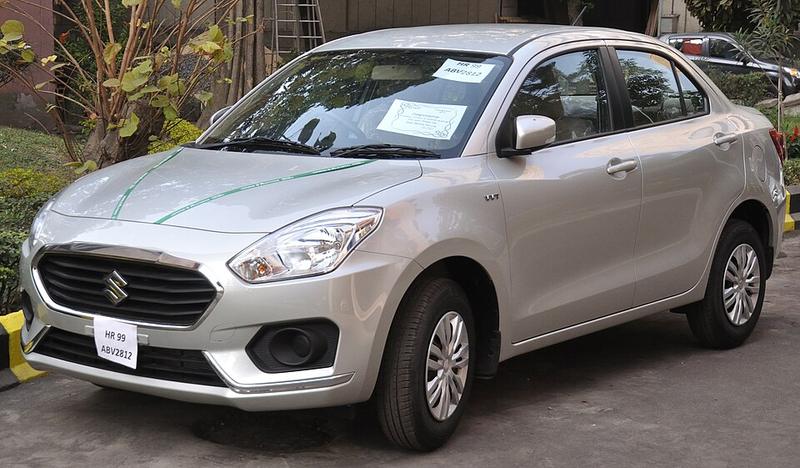
Compact sedans (Dzire, Honda City)
Seats: five. Luggage: a much larger, separate boot that fits two large suitcases plus bags. Strengths: stable at highway speeds, quiet cabin, good rear-seat comfort, and a secure, enclosed boot where your luggage is out of sight. Weaknesses: lower ground clearance — speed breakers and broken roads need care — and slightly harder to park than a hatchback.
Best for: families of four, airport transfers, expressway trips such as Bengaluru to Mysuru, and business travel. If you are covering several hundred kilometres on tarmac, the sedan is the sweet spot between price and comfort.
Compact SUVs (Creta, Seltos)
Seats: five. Luggage: a sizeable boot and easy loading height. Strengths: higher seating position, better visibility, much better ground clearance for potholes and unmade roads, and a more confident feel in rain or on hill roads. Many are available as automatics. Weaknesses: higher daily rate and thirstier on fuel than hatchbacks.
Best for: hill stations, Coorg, Munnar, Himachal approaches, monsoon trips, anyone who prefers an upright driving position. If your itinerary includes ghats or you are unsure about road quality, an SUV is a sensible upgrade.
Adventure SUVs (Thar, Scorpio-N)
Seats: four to five. Strengths: off-road capability, a strong character and excellent for beaches, hills and rough trails in places where they are permitted. Weaknesses: firmer ride, noisy on highways, limited luggage security (particularly with soft tops) and a higher deposit. In Goa and many parks, driving on beaches or off marked roads is prohibited, so use it for the style and ground clearance rather than for forbidden routes.
Best for: couples and friends who want a fun trip; not ideal for older passengers or very long highway days.
7-seaters (Innova Crysta, Ertiga)
Seats: six or seven, with the third row most comfortable for children or smaller adults. Luggage: with all seats in use, the boot is small; fold the third row to carry bags. Strengths: spacious, soft suspension that handles bad roads gracefully, diesel engines with excellent range and the ability to carry a family plus grandparents. Weaknesses: bigger to park and the highest fuel use outside of vans.
Best for: family pilgrimages, long-haul trips with elders, groups of five to seven, and trips with plenty of luggage. The Innova Crysta is the default for temple circuits and long drives for good reason.
Vans (Tempo Traveller)
For ten to twelve people, a traveller van with a 12-seat layout is the only practical option. Luggage space is large, but handling needs experience; many companies recommend a chauffeur for vans. Use S.S. Travels' contact page to ask about driver availability.
Manual or automatic?
India's rental fleet is mostly manual, with automatics concentrated in SUVs and luxury cars. If you are not used to a clutch in city traffic, pay the small premium for an automatic — it also makes hill driving less tiring.
Petrol or diesel?
Diesel cars (common in SUVs and 7-seaters) give better kilometres per litre and more torque for loaded highway driving. Petrol cars are quieter and often cheaper to rent. For anything above 300 km per day, diesel usually works out cheaper once fuel is counted.
Quick decision table
| Trip | Best pick |
|---|---|
| City and airport transfers, 1–2 people | Mini or Economy hatchback |
| Family of four, highway trip | Compact sedan |
| Hills, monsoon, rough roads | Compact SUV |
| Beach holiday for friends | Adventure SUV |
| Family with elders or six or more people | 7-seater MPV |
| Group of ten or more | Traveller van |
| Business arrival in style | Luxury sedan |
Check the small print
Look at the kilometre policy (unlimited or per-day cap), fuel policy, deposit and insurance excess for your chosen class. On S.S. Travels each offer shows these details so you can compare apples to apples, and the price includes 18% GST. "Or similar" means you get a car of the same class, not necessarily the exact model pictured.
Bottom line
Match the car to passengers and roads rather than to price alone. A hatchback is perfect for city and short trips, a sedan wins on long highway comfort, an SUV is the safe choice for uncertain roads, and a 7-seater is the right tool for family travel. Pick the one that fits your trip and the journey will be easier from the first kilometre.